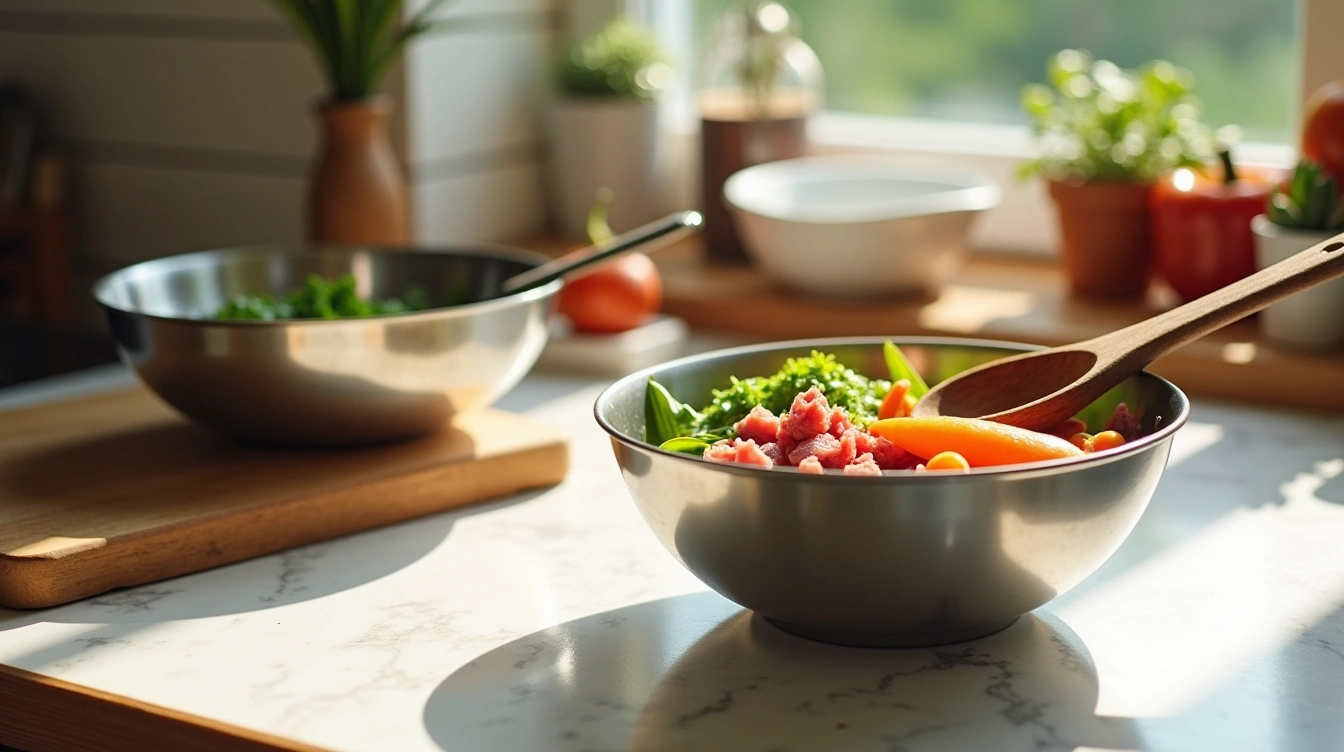
Transform Your Dog’s Health with Fresh and Healthy Meals for Your Dog
Fresh dog food isn’t just a trend—it’s a health revolution. These nutrient-rich meals boost energy levels, improve coat shine, and support better digestion compared to processed alternatives. According to recent industry data, the global fresh pet food market is projected to reach $15.7 billion by 2025, reflecting growing awareness among pet owners about quality nutrition.
But what exactly makes fresh food so beneficial for your furry companion? While traditional kibble undergoes high-heat processing that destroys vital nutrients, fresh meals preserve essential vitamins and minerals your dog needs to thrive. Discover premium options at https://www.pawy.ch for veterinary-approved recipes designed with your pet’s health in mind.
A voir aussi : What are the ideal environmental conditions for a Saint Bernard living in a warm climate?
Why Fresh Food Makes the Difference for Canine Health
The science behind fresh dog food reveals compelling advantages over traditional kibble. When ingredients are gently cooked at lower temperatures, they retain significantly more vitamins, minerals, and essential amino acids compared to the high-heat processing used in dry food manufacturing.
Fresh meals offer superior digestibility, with studies showing that dogs absorb nutrients up to 30% more efficiently from minimally processed foods. This improved bioavailability means your dog’s body can actually use more of what they consume, leading to better coat quality, increased energy levels, and stronger immune function.
Avez-vous vu cela : What’s the best way to administer oral medication to a stubborn Shiba Inu?
Unlike commercial kibble, fresh dog food contains fewer synthetic preservatives and artificial additives. The shorter ingredient lists feature whole foods that dogs naturally digest well, reducing the risk of food sensitivities and digestive upset that many dogs experience with heavily processed alternatives.
Veterinary nutritionists emphasize the importance of balanced formulations when transitioning to fresh food. Professional recipes ensure proper calcium-to-phosphorus ratios and include all essential nutrients dogs need for optimal health, making fresh feeding both safe and scientifically sound when properly executed.
Essential Criteria for Choosing Premium Dog Nutrition Options
Selecting the right nutrition for your dog requires careful evaluation of several key factors that directly impact their health and wellbeing. Swiss pet owners increasingly prioritize quality transparency when choosing fresh food options for their companions.
The foundation of premium dog nutrition lies in sourcing practices and ingredient integrity. Look for providers who maintain clear traceability from farm to bowl, particularly those utilizing local Swiss suppliers known for their rigorous quality standards.
- Veterinary-approved recipes developed with certified nutritionists ensure balanced meals tailored to your dog’s life stage and specific needs
- Local ingredient sourcing from Swiss farms guarantees freshness while supporting sustainable farming practices
- Sustainable packaging solutions that protect food quality while minimizing environmental impact
- Flexible meal plans allowing customization based on your dog’s size, activity level, and dietary requirements
- Expert support access providing ongoing guidance for transition periods and nutritional adjustments
The best premium providers offer trial options, allowing you to assess your dog’s response before committing to long-term plans. This approach demonstrates confidence in product quality while prioritizing your pet’s individual preferences and digestive health.
Understanding the True Cost of Quality Nutrition
When evaluating premium fresh pet food, the initial price tag often masks the true value proposition. Breaking down costs per portion reveals that high-quality fresh meals typically cost between 3-5 CHF per day for medium-sized dogs, compared to 2-3 CHF for premium kibble. However, this narrow comparison overlooks the superior nutritional density and digestibility of fresh ingredients.
The long-term financial benefits become apparent through reduced veterinary expenses. Dogs fed nutrient-rich fresh diets often experience fewer digestive issues, skin problems, and inflammatory conditions. Swiss veterinarians report that owners investing in quality nutrition frequently see decreased medical bills over their pet’s lifetime, with some studies suggesting savings of up to 20% on health-related costs.
Flexible meal plans further enhance the value equation. Many premium providers offer trial periods and adjustable delivery schedules, allowing pet owners to optimize both nutrition and budget. These options eliminate waste while ensuring dogs receive consistent, veterinary-approved nutrition tailored to their specific needs and activity levels.
Making the Transition: From Kibble to Fresh Meals
The switch from processed kibble to fresh meals requires a gradual approach to protect your dog’s digestive system. Most veterinarians recommend a 7-to-10-day transition period, gradually increasing the proportion of fresh food while decreasing kibble amounts.
Start with 25% fresh food mixed with 75% kibble for the first two days. Every two days, increase the fresh food ratio by another 25% until you reach 100% fresh meals. This methodical approach helps prevent digestive upset and allows your dog’s gut microbiome to adapt naturally.
Watch for positive changes during the transition: improved energy levels, shinier coat, and better stool quality. However, some dogs may experience temporary loose stools or reduced appetite initially. These symptoms typically resolve within a few days as the digestive system adjusts.
Expert guidance makes all the difference during this crucial period. Professional nutritionists can customize the transition timeline based on your dog’s age, breed, and specific health needs, ensuring a smooth and successful switch to premium fresh nutrition.
Sustainable Choices for Environmentally Conscious Pet Parents
The pet food industry generates over 300 million tons of CO2 annually worldwide, making sustainable choices more crucial than ever for environmentally conscious pet parents. Modern pet owners increasingly seek ways to reduce their furry companions’ environmental pawprint without compromising on nutrition quality.
Premium fresh pet food providers are leading this green revolution through innovative sustainable packaging solutions. Biodegradable containers, recyclable materials, and minimal plastic usage significantly reduce waste compared to traditional kibble packaging. These eco-friendly alternatives prove that premium nutrition and environmental responsibility can seamlessly coexist.
Local Swiss sourcing represents another powerful sustainability strategy. By partnering with regional farms and suppliers, fresh food companies dramatically reduce transportation emissions while supporting local economies. This approach ensures shorter supply chains, fresher ingredients, and a substantially lower carbon footprint per meal.
Choosing nutrient-dense, premium fresh food also means your pet requires smaller portions to meet their nutritional needs. This efficiency reduces overall food production demands and packaging waste. When quality trumps quantity, both your pet’s health and the environment benefit from this thoughtful approach to modern pet nutrition.
Frequently asked questions about fresh food
What are the benefits of fresh food compared to kibble?
Fresh food offers better digestibility, preserved nutrients, and natural hydration. High-quality proteins promote a shiny coat and optimal energy in your dog.
How much does fresh food cost per day?
The cost varies depending on the size of the dog, generally between 3 and 8 CHF per day. This premium food represents an investment in your pet’s long-term health.
Does fresh food improve my dog’s digestion?
Absolutely. Fresh food is more easily digested, reduces bloating, and improves stool quality. Many owners notice improvements within the first few weeks.
How to make a safe transition to fresh food?
Make the transition gradually over 7 to 10 days, slowly mixing the old and new food. Start with 25% fresh food, then gradually increase it each day.
What ingredients should be prioritized in a quality diet?
Look for high-quality proteins, fresh vegetables, suitable fruits, and natural supplements. Avoid artificial preservatives and choose recipes approved by veterinarians.
Do you offer flexible services and expert support?
Our meal plans are tailored to your needs with flexible delivery options. Our team of nutritionists and veterinarians will personally guide you through the transition and ongoing care of your dog’s diet.